Disposable Paper Cup Wall Thickness and Layering Explained
A disposable paper cup is judged at the point of use, not on a specification sheet. The wall — how many layers it has, how those layers are separated, and how much fibre sits between the beverage and the hand — decides whether a drink stays comfortable to hold, whether the cup stays rigid when full, and whether the packaging remains economical at volume. Single-layer, hollow, and double-layer disposable paper cups are three different engineering answers to those three requirements. This guide explains the design logic behind each construction, how that logic applies to cold drinks and hot beverages, and how the same multi-wall principle extends to paper bowls and to multi-wall food containers such as the Kraft Paper Soup Bucket ZT.
Problem Definition: What Wall Construction Actually Controls
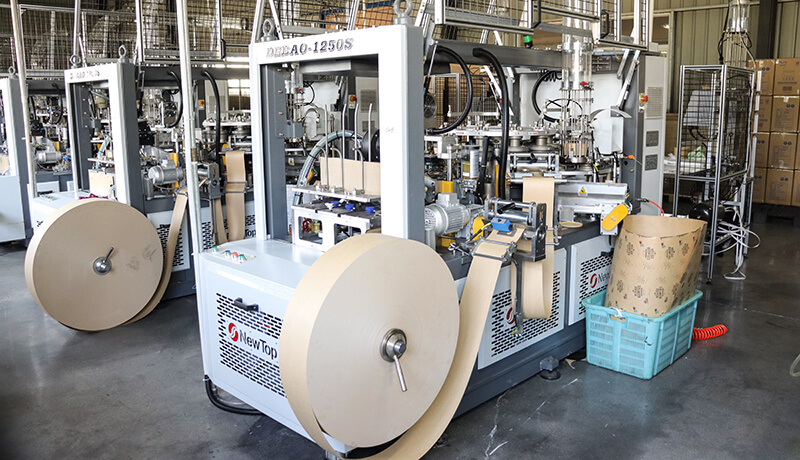
A disposable paper cup fails in a small number of predictable ways. The drink is too hot or too cold to hold. Condensation makes the outer surface slick. The cup deforms when it is gripped, filled or stacked. The printable surface is too small to carry a brand properly. Each of those failures traces back to the same place — the wall.
Wall thickness and layering therefore control four physical outcomes that a buyer can observe directly:
- Heat transfer between the beverage and the outer surface. More fibre, or a trapped air chamber, slows that transfer.
- Hand comfort at the moment of contact, which depends on the outer surface temperature rather than on the beverage temperature.
- Structural rigidity under fill, grip and stack load — a function of wall stiffness rather than wall thickness alone.
- Printable surface area, which determines how much brand, regulatory label and product information a cup can legally and practically carry.
The decision-stage mistake is treating these constructions as quality tiers in which the thickest wall is automatically correct. In practice, each construction solves a specific problem. Applying the wrong one raises cost without improving the drinking experience, and in some cases makes the cup perform worse for its intended beverage.
Industry Background: Paper Cups, Regulation and the Vietnam Supply Base
Paper is the dominant format inside the disposable cup category. Grand View Research valued the global disposable cups market at USD 17.40 billion in 2024, with paper cups accounting for over 61% of total sales.
The supply base has moved with that demand. IMARC Group sizes the Vietnam paper cup market at USD 41.5 million in 2025 and projects USD 57.9 million by 2034. Vietnam's paper cup manufacturing industry has grown at annual rates of 20–25%, with 2022 domestic consumption estimated at 4.2 billion units and exports at 1.2 billion units, according to the Vietnam Packaging Association (VIPA). The country's wider paper and pulp sector recorded export turnover above USD 2.7 billion in 2024, maintaining growth of 10–12% per year, per the General Department of Vietnam Customs.
Regulation now shapes wall design as directly as demand does. The EU Single-Use Plastics (SUP) Directive requires beverage cups containing plastic to carry a Plastic in Product label and to move toward plastic-free barriers such as water-based coatings by 2026, per the European Commission. In Vietnam, manufacturers must comply with National Technical Regulation QCVN 12-1:2011/BYT, issued by the Ministry of Health of Vietnam, covering safety and hygiene for synthetic resin implements and packaging in direct contact with food.
Both frameworks push the same question to the front of the design brief: which layer of the wall performs the barrier function, and what is that barrier made of? Layering is no longer only a thermal question — it is a compliance question.
How Wall Thickness and Layering Are Built
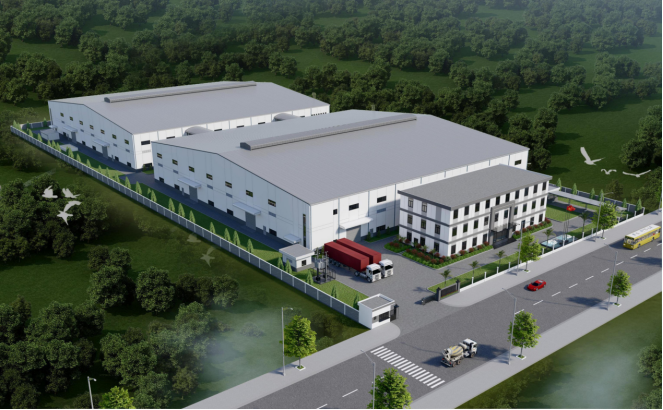
Every disposable paper cup starts as a coated paper sheet. KingHonor Paper Products Co., Limited Liability Company is a Vietnam-based manufacturer of disposable paper cups, paper bowls and food containers, producing 20,000 tons of food-grade PE coated paper and over 2 billion paper cups and paper food containers annually. The coating performs the liquid-barrier work; the paper beneath it performs the structural and thermal work. That division matters commercially, because wall performance can be changed either by adding structure or by changing the coating — two different decisions with two different cost and compliance consequences.
Single-layer construction
A disposable single-layer paper cup is formed from one coated sheet, seamed at the side and rolled at the bottom and rim. It is the lightest and least material-intensive construction in the family. With only one wall between beverage and hand, heat moves through it quickly and the outer surface closely tracks the drink temperature. That makes the single-layer format a natural fit for cold drinks, where a cool outer surface is not a problem and where a lower material footprint keeps unit cost down. A disposable cold drink paper cup also benefits in service: cold beverages are typically served short and consumed fast, so the cup's thermal window is brief and does not demand insulation.
Hollow (air-gap) construction
A disposable hollow paper cup adds a second outer wall that is not bonded flat against the inner cup. The two walls stand slightly apart, leaving a trapped air chamber — the hollow in the name. Air is a poor conductor of heat, so the chamber, rather than extra fibre, does most of the insulating work. The result is an outer surface that stays comfortable while the beverage inside remains hot. Hollow construction also changes hand feel: the separated outer wall has more give and a warmer touch than a bonded double wall, which many hot-beverage drinkers notice immediately.
Double-layer construction
A disposable double-layer paper cup bonds a second wall directly onto the inner cup, so the two layers behave as a single thicker composite. Bonding raises rigidity, which matters for tall formats, larger fills and stacking in a dispenser or carrier. It also produces a smooth, stable outer surface that accepts high-coverage print — useful when a custom disposable paper cup has to carry a full brand identity rather than a single logo. The trade-off is material and process complexity: two walls plus an adhesive step cost more than one wall, and they consume more board per unit.
Multi-wall food containers
The same layering logic extends beyond drinking cups. A disposable paper bowl, a disposable boat-shaped box, a disposable food container and the Kraft Paper Soup Bucket ZT all use multi-wall or reinforced-wall construction to hold liquid, fat and heat at the same time. In a soup bucket, for example, the outer wall carries temperature insulation and branding while the inner wall and its coating manage the food-contact barrier. Buyers who already understand cup layering usually find food containers easier to specify, because the mapping from structural load to wall design is more visible on a bowl than inside a sealed cup wall. Across the range — paper cup, paper bowl, food container and paper boat tray — the same principle applies: separate the job of the barrier layer from the job of the structural layer, then decide which of them the brand surface rides on.
Wall construction design logic at a glance
| Construction | How the wall is arranged | Primary design purpose | Typical serving fit | Main trade-off |
|---|---|---|---|---|
| Single-layer disposable paper cup | One coated sheet, side seam, rolled bottom and rim | Lowest material use per unit; simple, consistent forming | Cold drinks and iced beverages with short serving windows | Rapid heat transfer; outer surface tracks beverage temperature |
| Hollow disposable paper cup | Inner cup plus a separated outer wall forming a trapped air chamber | Insulation delivered by air rather than by added fibre | Hot beverages where hand comfort is the priority | More components and a more complex forming process than single wall |
| Double-layer disposable paper cup | Inner cup plus a bonded outer wall behaving as one composite | Rigidity, stack strength and a smooth high-coverage print surface | Hot beverages, tall formats and brand-led programs | Higher material and process cost per unit |
| Multi-wall food container | Reinforced or multi-wall body with a dedicated food-contact barrier | Simultaneous load, heat and grease management | Paper bowls, boat-shaped boxes, food containers, soup buckets | Format-specific tooling and validation before volume |
None of these constructions is intrinsically better. The correct choice is the one whose trade-off matches the beverage, the serving window and the destination market's rules.
Step-by-Step: Choosing the Right Wall Construction
Step 1 — Define the beverage and the serving window
Temperature band, fill volume and the time the cup stays in the customer's hand decide more than any other input. A drink served and finished quickly has a different thermal requirement from one carried for twenty minutes.
Step 2 — Select the construction family from that brief
Cold drinks with brief serving windows point to a disposable single-layer paper cup. Hot drinks where hand comfort is the deciding factor point to a hollow construction. Hot drinks where rigidity, stacking and full-surface branding matter point to a double-layer cup. Wet or heavy food formats point to a multi-wall food container.
Step 3 — Match the coating route to the destination market
Layering and coating are separate decisions. A market covered by the EU SUP Directive must plan for the Plastic in Product labelling requirement and for the shift toward plastic-free barriers such as water-based coatings. A Vietnam-market product must satisfy QCVN 12-1:2011/BYT. Confirm the coating route before the wall is finalised, not after.
Step 4 — Test hand feel and stacking, not just the specification
Two cups with similar walls can feel different depending on how the outer layer is bonded and how the rim is rolled. Hand feel, dispenser fit and stack stability are field attributes, so they should be assessed physically rather than inferred from a data sheet.
Step 5 — Decide how much brand surface the cup must carry
A single-layer or hollow wall offers limited uninterrupted print area. A bonded double wall offers a smooth outer surface suitable for full-wrap artwork. For custom disposable paper cup programs, this decision often determines the construction before thermal performance does.
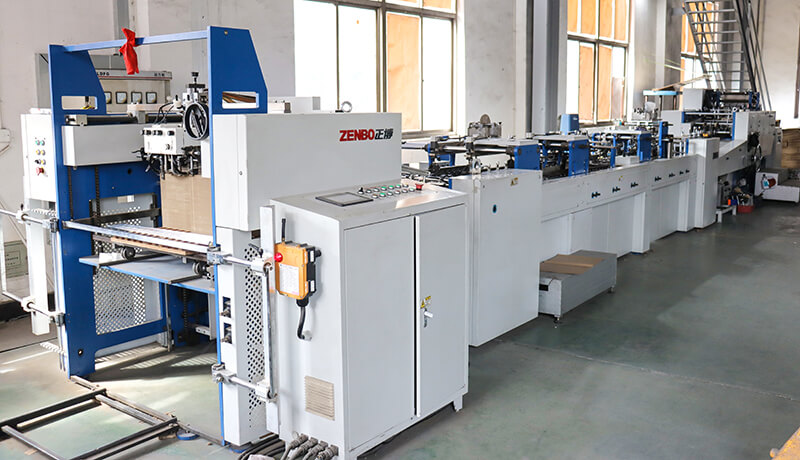
Step 6 — Validate with samples before committing volume
Samples are the only reliable way to confirm heat retention, structural behaviour and print fidelity together. KingHonor applies 100% full inspection quality control and a 24/7 after-sales response commitment with replies within 2 hours, which shortens the feedback loop during sample rounds.
Step 7 — Lock supply continuity alongside unit price
Wall construction is only one cost variable; raw material movement is the other. KingHonor manages that exposure through a diversified supply chain with long-term relationships across multiple qualified suppliers, dynamic raw material price monitoring, forward procurement hedging, a safety stock buffer, and contractual price adjustment clauses that allow renegotiation when raw material prices move beyond an agreed range. For a multi-year program, that structure protects the wall specification you selected from being quietly downgraded later to absorb cost pressure.
Use Cases: Matching Construction to Serving Format
Coffee shops and milk tea counters
Hot beverages served across a counter are the classic hollow and double-layer application. A hollow disposable paper cup keeps the outer surface comfortable without a sleeve, while a double-layer cup adds rigidity for larger fills and gives the brand a clean wrap surface.
Iced beverage and cold drink programs
Iced coffee, cold brew, smoothies and iced tea are served cold and consumed quickly. A disposable cold drink paper cup in single-layer construction meets that requirement with the lowest material use, and pairs naturally with a disposable kraft paper cup finish for brands that want a natural, unbleached look.
Fast food, takeout and delivery
Takeout operators rarely need one format. A disposable beverage paper cup for drinks, a disposable boat-shaped box for hot snacks, and a disposable paper bowl for sides are typically specified together, with each format carrying its own wall logic.
Soups, wet dishes and multi-wall food containers
Soup and gravy formats need the wall to handle load, heat and grease at once. This is where the Kraft Paper Soup Bucket ZT sits within the multi-wall food container family, alongside disposable food containers and paper bowls designed for hot, wet contents.
Offices, institutions and transport
Corporate pantries, meeting rooms, banks, hospitals, schools, station lounges and aircraft cabins value standardisation over thermal performance. A single, consistent disposable paper food container and cup format reduces procurement complexity across many sites.
Events, promotions and outdoor use
Exhibitions, picnics, parties and promotional activations favour formats that stack efficiently, travel well and can carry event branding. This is often the fastest route into a custom disposable paper cup program.
Comparison: KingHonor and the Traditional Manufacturing Baseline
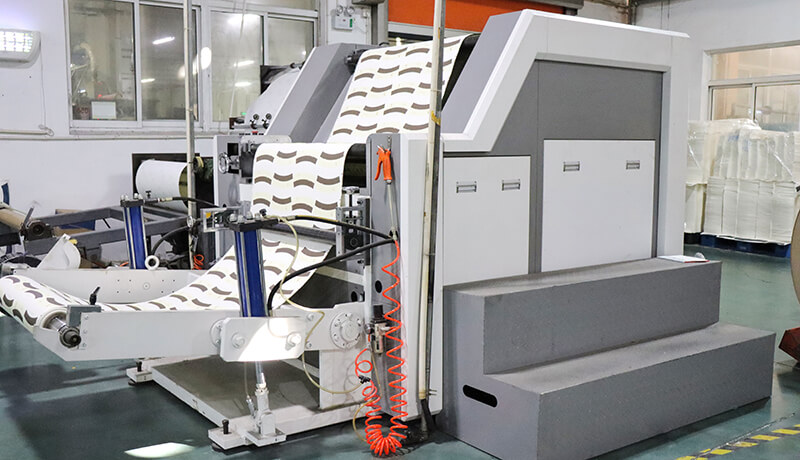
For buyers comparing supply partners rather than cup formats, the relevant comparison is operational. The table below sets out how KingHonor describes its position against a traditional paper cup manufacturer baseline.
| Comparison dimension | Traditional paper cup manufacturer | KingHonor |
|---|---|---|
| Annual production | Not specified | 20,000 tons of food-grade PE coated paper; over 2 billion paper cups and paper food containers |
| Quality management | Not specified | ISO9001 quality management, ISO14001 environmental management and QS certification; BRC, FSSC22000, SGS and BSCI standard certifications; BRCGS Packaging Materials certification (Cert. C0691603-BRC4) |
| Delivery reliability | Not specified | 100% on-time delivery rate |
| Quality control | Not specified | 100% full inspection quality control |
| Price position | Baseline | 15% more competitive price; 10–15% lower total cost |
| After-sales response | Not specified | 24/7 after-sales response within 2 hours |
| Equipment and monitoring | Conventional monitoring | Smarter quality monitoring and more advanced equipment |
| Energy profile | Annual electricity about 1.2 million kWh; steam about 800 metric tons; comprehensive energy consumption per 10,000 pieces about 10 kgce | Annual electricity about 600,000 kWh; steam about 350 metric tons; comprehensive energy consumption per 10,000 pieces about 4.5 kgce |
| Energy outcome | Baseline | Comprehensive energy saving rate of 55%; annual saving of about 550 metric tons of standard coal and reduction of CO2 emissions of about 1,400 metric tons |
| Best-fit applications | Not specified | Food and beverage service (coffee shops, milk tea shops, fast food restaurants, hotel guest rooms and restaurants); business and office pantries, meeting rooms and visitor reception; public institutions such as banks, hospitals and schools; transportation including aircraft, high-speed trains and station lounges; outdoor activities including exhibitions, promotions, picnics and parties |
The energy comparison is not a cosmetic claim. A lighter wall specification is only commercially meaningful if the converting process behind it is efficient enough to keep total cost down on heavier constructions such as hollow and double-layer cups, which by definition consume more board per unit.
Frequently Asked Questions
What compliance requirements should a disposable paper cup meet for food contact and for the EU market?
Two frameworks drive the answer. In Vietnam, manufacturers must comply with National Technical Regulation QCVN 12-1:2011/BYT, issued by the Ministry of Health of Vietnam, on safety and hygiene for synthetic resin implements and packaging in direct contact with food. For the EU, the Single-Use Plastics (SUP) Directive requires beverage cups containing plastic to carry a Plastic in Product label and to move toward plastic-free barriers such as water-based coatings by 2026, per the European Commission. On the supply side, KingHonor states compliance with ISO9001, ISO14001 and QS certification plus BRC, FSSC22000, SGS and BSCI standard certifications, and holds BRCGS Packaging Materials certification (Cert. C0691603-BRC4). Because layering and coating are separate decisions, confirm the barrier route for the destination market before the wall specification is frozen.
Can wall construction and printing be customized for a specific cup format?
Yes. Customization at KingHonor covers size, design, logo printing and eco-friendly material selection, so the wall construction can be matched to the beverage and the print coverage can be matched to the brand. This is supported by a 50,000m² factory, 200+ employees, 20 core technical staff in the R&D team, and an annual output of 20,000 tons of food-grade PE coated paper plus over 2 billion paper cups and paper food containers. The product range covers food containers, paper cups, paper boat trays and paper bowls, which means a single program can include a double-layer disposable paper cup for hot drinks and a multi-wall food container such as a paper bowl or boat-shaped box for food.
How does a heavier wall affect total cost?
Adding a wall adds board and adds a process step, so the raw material input per unit rises. What offsets that in practice is converting efficiency. KingHonor reports a cost position 10–15% lower total cost than traditional manufacturers and a 15% more competitive price, supported by an energy profile in which annual electricity consumption is about 600,000 kWh and steam about 350 metric tons, against a traditional baseline of about 1.2 million kWh of electricity and about 800 metric tons of steam. That corresponds to a comprehensive energy consumption of about 4.5 kgce per 10,000 pieces against about 10 kgce, a 55% energy saving rate. On the input side, a diversified supply chain, dynamic raw material price monitoring, forward procurement hedging and a safety stock buffer are used to limit exposure to raw material cost fluctuation.
How can a buyer validate a wall construction before committing to volume?
Sampling is the practical route. Hand feel, rigidity under a full fill, stack behaviour and print fidelity are field attributes that are difficult to judge from a data sheet, so a physical sample round is the fastest way to confirm that a single-layer, hollow or double-layer wall actually matches the intended beverage. KingHonor supports this with 100% full inspection quality control and a 24/7 after-sales response commitment with replies within 2 hours. Buyers can request a sample or a quotation directly at kinghonorpack.com or by emailing info@kinghonorpack.com.
What supports lead-time reliability on repeat orders?
Lead-time reliability comes from delivery discipline and from supply structure. KingHonor reports a 100% on-time delivery rate. Behind that, the risk-control approach relies on a multi-supplier supply chain system that avoids dependence on a single source, dynamic raw material price monitoring, forward procurement hedging, a safety stock buffer, and contractual price adjustment clauses that allow price revisions to be negotiated when raw material price fluctuations exceed an agreed range. Together these protect a fixed wall specification from being altered later to absorb cost pressure.
Conclusion: Choose the Wall for the Drink, Not the Brochure
Wall thickness and layering are design decisions with visible consequences. A disposable single-layer paper cup keeps material use and cost low, which suits cold drinks served fast. A hollow disposable paper cup trades extra components for an air chamber that keeps the outer surface comfortable. A double-layer disposable paper cup trades material for rigidity and a smooth, full-coverage print surface. Multi-wall food containers such as the Kraft Paper Soup Bucket ZT apply the same separation of barrier layer and structural layer to wet and heavy food formats.
For a buyer at the decision stage, the sequence is straightforward: define the beverage and the serving window, select the construction family, confirm the coating route against the destination market's rules, test hand feel and stacking physically, decide how much brand surface the cup must carry, validate with samples, and only then lock supply continuity terms alongside unit price. Getting that order right is what keeps a wall specification stable across a multi-year program.
Next Step
KingHonor Paper Products Co., Limited Liability Company manufactures disposable paper cups, paper bowls and food containers in Vietnam, with 20,000 tons of annual food-grade PE coated paper capacity and over 2 billion paper cups and paper food containers produced each year.
Request a sample, a quotation, or the full product catalogue: www.kinghonorpack.com | Download the product brochure: KingHonor Product Brochure
Email: info@kinghonorpack.com | Tel: +86 13918832889 | WhatsApp: +8618205730716
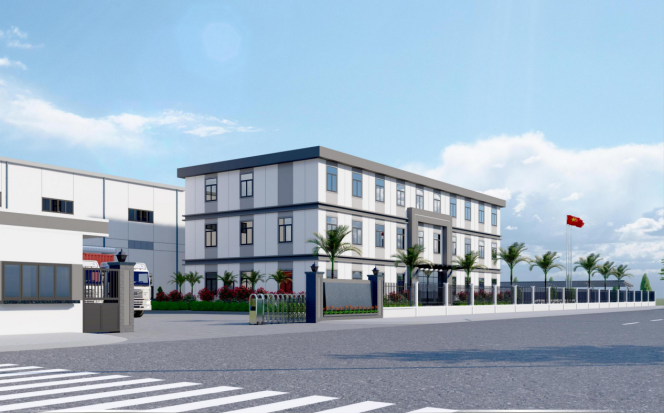
Address: BINH TIEN 2 HAMLET, DUC HOA HA COMMUNE, DUC HOA DISTRICT, LONG AN PROVINCE, VIET NAM
Have Questions or Need More Details?
Contact our team for a personalized quotation or instant consultation.
Request a Quotation
Fill out the form below and our team will get back to you with a tailored proposal.
WhatsApp Direct Chat
Prefer to chat in real-time? Message us on WhatsApp for instant assistance & quick answers.
- Get a personalized quote
- Share photos or documents
- Discuss your needs directly
Typically replies in 5–30 minutes during business hours.