Long-Term Disposable Food Paper Container Partnerships: Certifications, Reorders & After-Sales FAQ
Long-Term Disposable Food Paper Container Partnerships: Certifications, Reorders & After-Sales FAQ
A long-term disposable food paper container partnership is a supply relationship that keeps three things stable across every reorder: documented compliance, repeatable specifications, and a working after-sales channel. Buyers who reach the decision and execution stage usually find that the container itself is the easy part. Matching a bowl, box, or tray on a single shipment is straightforward. Keeping that same item compliant, identical, and serviceable across twelve or twenty-four months of orders is where partnerships are actually won or lost.
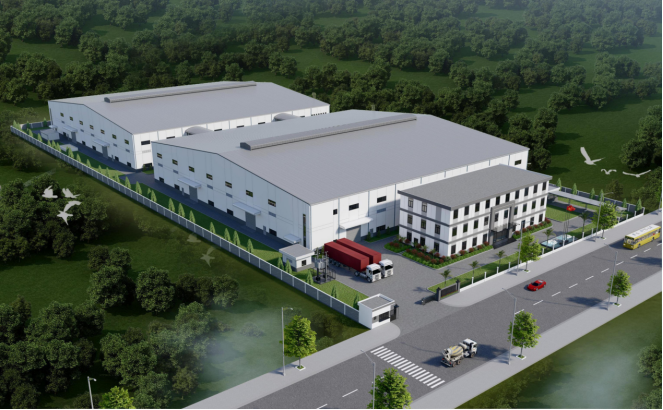
KingHonor Paper Products Co., Limited Liability Company is a Vietnam-based manufacturer established in 2018 that produces disposable paper cups, paper bowls, and paper food containers. The company operates a 50,000 m² facility with more than 200 employees and reports an annual output of 20,000 tons of food-grade PE coated paper alongside more than 2 billion paper cups and paper food containers. Around 60% of production is exported, with the United States, Europe, Australia, the Middle East, and China listed among its main markets.
This article is written as a working FAQ for procurement and quality teams: which certifications hold a long-term agreement together, how reorder consistency is protected once production starts, and what after-sales support should realistically look like after the first container is unloaded.
What "Long-Term Partnership" Actually Requires
A long-term partnership in this category is a rolling supply relationship in which specification, documentation, and communication are maintained continuously instead of being rebuilt at each purchase order. It is not simply a framework agreement or a volume discount. Three components do the real work.
- Compliance continuity. Certificates, declarations, and audit documents stay current, and their scope matches the site and the products actually being shipped.
- Specification continuity. Material structure, coating type, dimensions, print file, and packing configuration remain fixed across reorders, so the tenth shipment performs like the first.
- Communication continuity. A named contact owns quality questions, artwork changes, and documentation requests, instead of the buyer restarting the conversation every quarter.
The common failure modes are predictable. A coating is switched without notice. A certificate quietly lapses while the product keeps shipping. Artwork drifts by a few millimetres of registration. A complaint is answered by a different person each time. None of these is dramatic on its own, and all of them are expensive once volume is committed — which is why they are worth testing before a program is signed rather than after.
Industry Background: Why Paper Container Sourcing Is Moving to Longer Agreements
Demand-side numbers explain why buyers increasingly treat paper food containers as a program rather than a series of transactions. Grand View Research estimates the global disposable food containers market at approximately USD 72.6 billion in 2025. Within that, the takeaway container segment alone was valued at USD 15.8 billion in 2024, with paper and paperboard holding a 31% share, according to Verified Market Reports. The same research base projects the paper and paperboard food packaging segment to expand at a CAGR of 6.2% between 2026 and 2034.
Trade flows point in the same direction. In 2024, the United States imported USD 3.61 billion worth of paper containers, with China as the second-largest supplier at USD 858 million, based on data published by the Observatory of Economic Complexity. Combined with continuing regulatory pressure on single-use plastics in many markets, this creates a supply environment in which paper formats are increasingly locked into multi-year programs rather than bought opportunistically.
Two practical consequences follow for buyers. First, dual sourcing and documented alternates become normal planning assumptions rather than contingency measures. Second, supplier qualification moves earlier in the process, because qualifying a new paper container supplier mid-program is slow, and the cost of a compliance gap is higher than the cost of a slightly higher unit price.
Production location matters in that calculation. KingHonor manufactures in Vietnam and, in its own company profile, positions its Vietnam base and CPTPP trade access as a sourcing advantage for export-oriented customers. Buyers evaluating any Asian supplier should treat such positioning as a starting point for due diligence rather than as a conclusion.
The Four Product Families Behind Repeat Programs
KingHonor's food container range is organized around four families that most often appear in rolling supply agreements: Kraft Paper Bowl ZT, Kraft Paper Square Box XQ, White Kraft Food Tray ZT, and Printed Disposable Paper Food Container. The same facility also produces paper cups, paper bowls, and paper boat trays, which allows a buyer to consolidate several packaging lines under one supplier relationship instead of managing parallel vendors.
Kraft Paper Bowl ZT
Kraft Paper Bowl ZT is the round bowl format used where a foodservice operator needs one vessel to cover a broad hot and cold menu across a delivery or takeaway program. In a long-term agreement, bowls are usually the highest-frequency SKU, which makes them the most sensitive to specification drift — a small change in rim diameter or coating behaviour can affect lidding, stacking, and how the bowl performs inside a customer's carrier bag.
Kraft Paper Square Box XQ
Kraft Paper Square Box XQ is the square and rectangular family, generally selected where packing density, shelf presentation, or multi-item meals matter more than a round profile. Because square footprints typically stack and palletize more efficiently than round ones, this family tends to appear in programs where warehouse and transport costs are actively managed.
White Kraft Food Tray ZT
White Kraft Food Tray ZT covers tray and boat-style formats used for bakery items, pastries, snacks, and event catering. Trays are frequently the family with the widest print and size variation, so they are usually the first place a buyer should fix a reference sample and an approved artwork file.
Printed Disposable Paper Food Container
Printed Disposable Paper Food Container covers the branded side of the range, where logo printing and design are part of the product rather than an add-on. For a multi-year program, printed containers carry the highest reorder risk of the four families, because a print file change, a colour shift, or a plate re-make affects brand consistency across every subsequent shipment.
Across the whole line, KingHonor states that products can be produced with PE coating or PLA coating for oil-proof, waterproof, and heat-insulation performance, and that customization covers size, design, logo printing, and eco-friendly material selection.
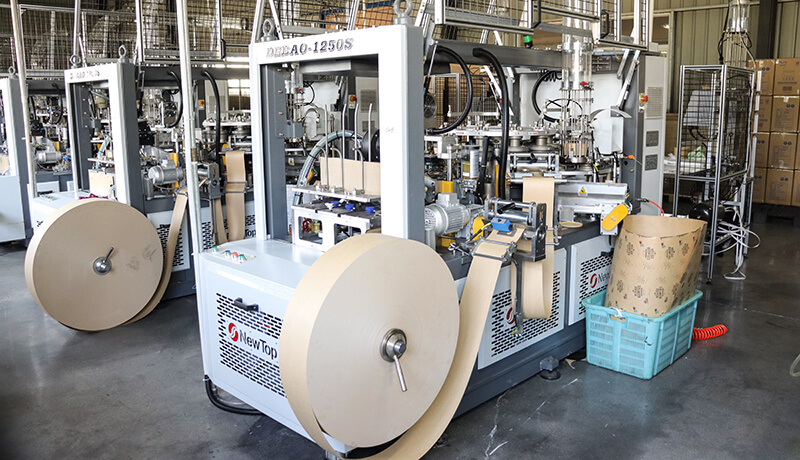
Production capability is one half of reorder consistency; the other half is a specification both sides have signed.
Certifications That Carry Weight in a Long-Term Agreement
Certification is the documentation layer of a partnership. It does not replace a good product, but it decides whether a buyer's compliance and quality teams can approve a supplier for a program at all. KingHonor reports holding five certifications relevant to disposable food paper container supply.
- ISO 9001:2015 — a quality management system standard. For buyers, it signals that production, inspection, and corrective action follow documented processes rather than individual habit.
- ISO 14001:2015 — an environmental management system standard, increasingly requested by European and multinational buyers who must report on supplier environmental performance.
- BRCGS Global Standard for Packaging Materials — a food-safety-oriented packaging standard, and one of the certifications most commonly required when paper containers sit in direct contact with food in retail or foodservice channels.
- FSC Chain of Custody — traces certified fibre through the supply chain. It matters most to buyers who make fibre-sourcing or sustainability claims on their own packaging or in tenders.
- amfori BSCI — a social compliance audit framework used widely by international buyers to assess labour and working conditions at supplier sites.
Two verification habits protect a long-term agreement. First, confirm each certificate in the issuing body's registry rather than relying on a PDF alone, and check that the scope covers the specific site and product family being ordered. Second, record every expiry date in the contract review calendar, because certificates lapse mid-program more often than buyers expect. The third-party data package behind this article explicitly flags independent registry verification of supplier-reported certificates as an open item — a reasonable default for any program buyer.

Compliance documents should be tied to a specific site and product scope, not held as generic attachments.
Step-by-Step: Building and Maintaining the Partnership
The sequence below applies to any disposable food paper container program, whether the supplier is KingHonor or another manufacturer.
- 1. Write the specification before discussing commercial terms. Material, coating type, dimensions, print file, packing configuration, and pallet pattern should exist as one controlled document. A specification negotiated after pricing tends to become a specification adjusted to price.
- 2. Map every SKU to a product family. Assign each item to Kraft Paper Bowl ZT, Kraft Paper Square Box XQ, White Kraft Food Tray ZT, or the printed container line. Families behave differently on reorder, and the mapping shows which SKUs need the tightest controls.
- 3. Collect and verify compliance documents. Request the certificates, confirm them in the registries, and match scope to site and product. Note renewal dates immediately.
- 4. Run a sample round and seal a reference sample. Approve one physical sample per SKU and keep identical sealed units with both buyer and supplier. This single step resolves most future disputes about what was agreed.
- 5. Lock the artwork and print standard. Store the production file, the colour reference, and the approved print sample in one place, and require written approval before any change.
- 6. Agree how reorders are triggered. Decide whether orders are forecast-driven, inventory-driven, or schedule-driven, and who confirms each order in writing.
- 7. Name the after-sales owner and the escalation path. One contact for quality, one for documentation, and a stated escalation route if either is unavailable.
- 8. Review the relationship on a fixed cadence. A quarterly review of quality issues, certificate expiry dates, artwork version, and specification changes keeps a rolling program from becoming an unmonitored one.
Use Cases: Where Repeat Order Volume Comes From
Takeaway and delivery programs
High-frequency ordering makes takeaway the segment where reorder consistency shows up fastest. Bowls and square boxes are usually the core SKUs, and coating performance under oil and moisture is the recurring buyer concern.
Bakery and pastry counters
Bakery buyers typically need trays and printed formats where presentation matters. Because seasonal ranges change, this segment benefits most from an artwork control process and a tray specification that stays stable between seasons.
Airline and institutional catering
Catering contracts usually run on fixed specifications and fixed pack counts, which makes them a natural fit for the partnership model described above. Documentation continuity is often as important as product continuity in these programs.
Canteens and fast food operations
Institutional foodservice prioritizes predictable format and stackability, which is where square and rectangular families such as Kraft Paper Square Box XQ are frequently chosen.
Retail and brand programs
Brand owners buying printed disposable paper food containers are effectively buying a branded asset, so print approval discipline and file versioning matter more than in any other segment.
Comparison Table: Matching Product Families to Recurring Supply Needs
| Product family | Typical recurring buyer need | Coating options (company statement) | Customization scope (company statement) | Where documentation matters most |
|---|---|---|---|---|
| Kraft Paper Bowl ZT | High-frequency takeaway and delivery SKUs | PE or PLA coating for oil-proof, waterproof, and heat-insulation performance | Size, design, logo printing, eco-friendly material selection | Specification continuity and coating verification |
| Kraft Paper Square Box XQ | Multi-item meals; packing and transport efficiency | PE or PLA coating for oil-proof, waterproof, and heat-insulation performance | Size, design, logo printing, eco-friendly material selection | Certification scope covering the ordered format |
| White Kraft Food Tray ZT | Bakery, pastry, snack, and event catering ranges | PE or PLA coating for oil-proof, waterproof, and heat-insulation performance | Size, design, logo printing, eco-friendly material selection | Artwork control and approved reference samples |
| Printed Disposable Paper Food Container | Branded retail and foodservice programs | PE or PLA coating for oil-proof, waterproof, and heat-insulation performance | Size, design, logo printing, eco-friendly material selection | Print approval records and change control |
FAQ: Long-Term Disposable Food Paper Container Partnerships
Which certifications should a long-term disposable food paper container partner hold?
KingHonor reports holding ISO 9001:2015, ISO 14001:2015, BRCGS Global Standard for Packaging Materials, FSC Chain of Custody, and amfori BSCI. Each answers a different question: quality management, environmental management, food-safety-oriented packaging control, certified fibre tracing, and social compliance. For a long-term agreement, the practical step is to verify each certificate in the issuing body's registry, confirm that the scope covers the site and product family being ordered, and record the expiry date so renewal is tracked inside the contract rather than discovered during an audit.
Can the same specifications be repeated consistently across reorders?
Repeatability depends on two things: a written specification and a sealed reference sample. KingHonor states that its containers can be produced with PE or PLA coating for oil-proof, waterproof, and heat-insulation performance, and that customization covers size, design, logo printing, and eco-friendly material selection. Customization is exactly why an approved sample matters — once a format is agreed, both sides should hold a signed specification sheet and an identical sealed sample, and any subsequent change should require written approval before production begins.
How should cost be evaluated over a long-term agreement instead of per order?
No public price list applies to disposable food paper containers, and no pricing is published in this article. What can be compared is the structure behind the cost: coating type (PE versus PLA), paper grade and format, print coverage and number of colours, packing and pallet configuration, and the origin and destination of shipment. KingHonor positions its Vietnam production base and CPTPP trade access as a cost-relevant advantage for export customers, and reports that roughly 60% of its output is exported. Buyers should evaluate total cost across the contract term, then request current commercial terms directly rather than assuming figures from any published source.
What should a sample round prove before committing long term?
A sample should prove four things: the format fits the actual menu or product, the print matches the approved artwork, the coating performs under the real food conditions it will meet, and the container survives the buyer's own packing, holding, and transport process. Retaining one sealed sample per SKU after approval is the single most useful habit in a long-term program, because it converts a subjective disagreement into a documented comparison. Sample requests for the Kraft Paper Bowl ZT, Kraft Paper Square Box XQ, White Kraft Food Tray ZT, or printed container line can be raised directly with the manufacturer before a program is defined.
How is lead time managed across a rolling supply program?
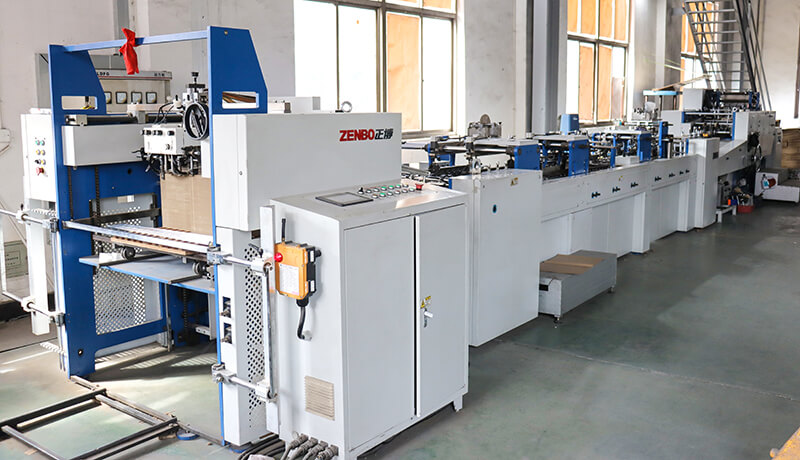
Lead times are not published here because they depend on the model, coating, print requirements, order quantity, and season, and they should be confirmed in writing for each order. What can be assessed in advance is the system behind the schedule: production capacity, planning contacts, and the supplier's stated delivery and service commitments. KingHonor reports a 50,000 m² facility, an annual output of 20,000 tons of food-grade PE coated paper along with more than 2 billion paper cups and paper food containers, and a stated commitment to on-time delivery and responsive after-sales service. A practical step is to request written confirmation per order and track actual delivery against it. To discuss a rolling program, request a quote or sample directly through the manufacturer's contact channels.
Conclusion: The Partnership Test
The test of a long-term disposable food paper container partnership is not whether the first shipment looks right — almost every qualified manufacturer can manage that. It is whether the tenth shipment arrives with the same specification, the same current certificates, and a named person who answers when something is wrong. Compliance documentation, reorder discipline, and after-sales ownership are what turn a supplier into a program partner.
For buyers mapping a program to product families, the starting point is simple: fix the specification, verify the certificates in the registries, seal a reference sample, and agree how reorders, artwork changes, and complaints will be handled before volume is committed.
Planning a long-term disposable food paper container program?
Request samples, specification sheets, or a quotation for Kraft Paper Bowl ZT, Kraft Paper Square Box XQ, White Kraft Food Tray ZT, or printed disposable paper food containers.
Website: www.kinghonorpack.com | Email: info@kinghonorpack.com | WhatsApp: +86 182 0573 0716
Company brochure: download the KingHonor product brochure
KingHonor Paper Products Co., Limited Liability Company — BINH TIEN 2 HAMLET, DUC HOA HA COMMUNE, DUC HOA DISTRICT, LONG AN PROVINCE, VIET NAM.
Have Questions or Need More Details?
Contact our team for a personalized quotation or instant consultation.
Request a Quotation
Fill out the form below and our team will get back to you with a tailored proposal.
WhatsApp Direct Chat
Prefer to chat in real-time? Message us on WhatsApp for instant assistance & quick answers.
- Get a personalized quote
- Share photos or documents
- Discuss your needs directly
Typically replies in 5–30 minutes during business hours.