Paper Container Compliance Guide: Mapping Certificates to Products, Issuers, and Markets
A paper container certificate is not a blanket approval. It is a scoped statement: a named holder, a standard version, an issuing body, a product or process scope, and a geographic scope. Approval is only defensible when all five elements align with the container you are buying and the market you are selling it into.

KingHonor Paper Products Co., Ltd. operates from Vietnam and produces disposable paper cups, paper bowls and food containers.
Why Certificate Reading Fails Before It Starts
Most compliance failures in disposable food paper container purchasing are not forgery problems. They are mapping problems. A buyer receives a folder of genuine documents and approves a supplier on the strength of the folder, rather than on the strength of the scope statements inside it.
Four mismatches account for the majority of these failures.
- Entity mismatch. A certificate belongs to a legal entity and, where the standard requires it, to a specific production site. If your purchase order is placed with a different legal registration, or if the container is produced at a site that is not the audited site, the certificate may not follow your order.
- Scope mismatch. Certificates describe the products, processes or materials covered. A scope written around one container family does not automatically describe another family with a different substrate, coating or construction.
- Market mismatch. Some credentials are issued against a national scheme and declare a national market. A document valid for one market is not automatically evidence for another.
- Version mismatch. Standards are revised. A certificate referencing an older edition or issue number answers a different question than the current one.
None of these are visible from a certificate's front page. All of them are visible in the scope statement and the reference number.
What Is Driving Stricter Certificate Review
Demand pressure explains why buyers now ask for scope evidence rather than a certificate count. Paper and paperboard accounted for 31% of a global takeaway container market valued at USD 15.8 billion in 2024, according to Verified Market Reports. Grand View Research projects the paper and paperboard segment of food packaging to expand at a CAGR of 6.2% between 2026 and 2034.
Trade flows point in the same direction. The Observatory of Economic Complexity records that the United States imported USD 3.61 billion in paper containers in 2024, with China as the second-largest supplier at USD 858 million. When a category grows this quickly across borders, buyers inherit the compliance expectations of every destination market in the chain, not only their own.
The practical result is that a single certificate set now has to survive three different readings at once: a procurement team checking supplier qualification, a retailer's technical manager checking product safety, and an importer's broker checking origin and material claims. Each reader is looking for a different field in the same document.
The Five Documented Credentials, Mapped One by One
KingHonor Paper Products Co., Ltd. is a manufacturer of disposable paper cups, paper bowls and food containers, established in 2018 and based in Vietnam. The food container range referenced throughout this guide covers four models: Kraft Paper Bowl ZT, Kraft Paper Square Box XQ, White Kraft Food Tray ZT, and the Printed Disposable Paper Food Container.
The company reports five credentials. Each is set out below with the field values a buyer should record in the approval file, followed by what the credential does and does not establish.
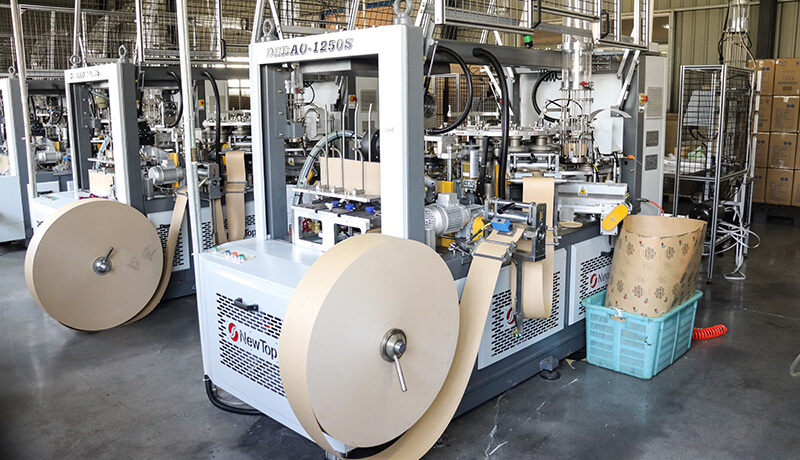
Certification scope follows the audited site and process, not the product catalogue as a whole.
1. ISO 9001:2015 / GB/T 19001-2016 — QAC, certificate 00623Q31644R4S
This is a quality management system certification carrying a dual reference: the international ISO designation and the equivalent Chinese national standard, GB/T 19001-2016. The issuing body is QAC, the reference number is 00623Q31644R4S, and the declared market scope is China.
What it establishes: the certified entity operates a documented quality management system covering defined processes, responsibilities and controls.
What it does not establish: that any specific container model meets a specific food-contact, strength, leak or heat requirement. A quality system certificate describes how an organisation controls its processes. It does not certify the output of those processes against a product standard.
For buyers shipping outside China, the declared market scope is the first field to check. A dual-reference certificate tied to a national scheme is a strong internal-control signal and a weaker direct answer to a non-Chinese regulatory file.
2. ISO 14001:2015 / GB/T 24001-2016 — QAC, certificate 00623E31318R4S
This is an environmental management system certification, again with a dual reference to the Chinese national standard GB/T 24001-2016. The issuing body is QAC, the reference number is 00623E31318R4S, and the declared market scope is China.
What it establishes: the entity manages environmental aspects of its operations through a documented system — identifying environmental factors, setting controls, and monitoring performance.
What it does not establish: that the product is compostable, recyclable, biobased or otherwise environmentally preferable. Environmental management system certification addresses how a site is run. Material and end-of-life claims about a specific container require separate evidence, and buyers evaluating Compostable Eco-Friendly Paper Container options should not accept an ISO 14001 certificate as that evidence.
3. BRCGS Packaging Materials, Issue 6 — NSF, certificate C0691603-BRC4
BRCGS Packaging Materials is a product safety and quality management standard written specifically for packaging manufacturers. Issue 6 is the edition referenced in the record. The issuing body named is NSF and the reference number is C0691603-BRC4.
What it establishes: hygiene, product safety and process control assessed within a packaging manufacturing context rather than in general manufacturing. For a food container buyer, this is typically the most product-relevant credential in the set, because the standard is built around packaging that will come into contact with food.
What it does not establish: coverage of every product a supplier sells. Packaging certifications are issued against defined product categories and processes at a specific site. The scope wording is the operative text — if your container family is not described in it, the certificate does not answer your question.
4. FSC Chain of Custody — ESTS-COC-250653, global scope
FSC Chain of Custody is a traceability credential. It addresses the flow of FSC-certified material from forest through processing to the finished product, and it is issued to organisations that handle, transform or trade certified material. The reference number recorded is ESTS-COC-250653 and the declared scope is global.
What it establishes: that a chain of custody system exists for tracing certified content through the supply chain, so that a claim on a finished product can be substantiated upstream.
What it does not establish: product performance. A container can sit inside a valid chain of custody system and still fail a leak test; a leak-proof container can carry no chain of custody claim at all. Buyers sourcing an FSC Certified Paper Container should treat this credential as traceability evidence and confirm separately which finished models are eligible to carry the on-product claim.
One field is not present in the supplied record: the certification body that issued the chain of custody certificate is not stated. That is not a red flag in itself — the FSC public certificate database is the authoritative place to confirm issuer and status, and buyers should check it directly rather than relying on the supplier's summary.
5. amfori BSCI audit report 25-0324242 — SGS, global scope
amfori BSCI is a social compliance audit programme. The report referenced is 25-0324242, issued by SGS, and the declared scope is global. The subject of the audit is the workplace and its social performance — working hours, health and safety, labour practices — not the container.
What it establishes: an independent social compliance assessment of the audited site, which is the evidence most retail and brand-owner ethical sourcing programmes ask for when qualifying a BSCI Audited Paper Container supplier.
What it does not establish: anything about product suitability. A social audit report filed as product evidence creates a gap that typically surfaces later, during a retailer's technical review, when the missing food-safety scope has to be produced under time pressure.
Why a Certificate on One SKU Does Not Automatically Extend to Another
This is the most expensive assumption in paper container procurement: that a supplier who is certified is therefore certified for everything on the price list. Three structural reasons make that untrue.
Scope is written around categories, materials, processes or sites — not around a catalogue. The governing text is the scope statement. When a container family changes substrate, for example between kraft paper and white cardboard, or changes construction, for example single wall versus a heat insulated double wall build, the technical basis of the certification may no longer describe the article you are buying.
Coating is a separate variable. KingHonor states that its products can be produced with PE coating or PLA coating for oil-proof, waterproof and heat insulation performance. Because coating chemistry changes the composition of the finished article, and composition is precisely what product-safety and food-contact scopes are written around, the coating system named in a scope statement is a detail worth confirming rather than assuming. A scope written around one coating line is not automatically evidence for the other.
Market scope is declared, not implied. The two ISO certificates in this set declare the China market. FSC Chain of Custody and the amfori BSCI report declare a global scope. BRCGS Packaging Materials carries no market scope in the supplied record. A buyer shipping into Europe, North America or the Middle East is therefore holding four documents that speak to their file in different ways and one — BRCGS — whose geographic applicability has to be resolved with the issuer.
Step-by-Step: Verifying a Certificate File in Six Checks
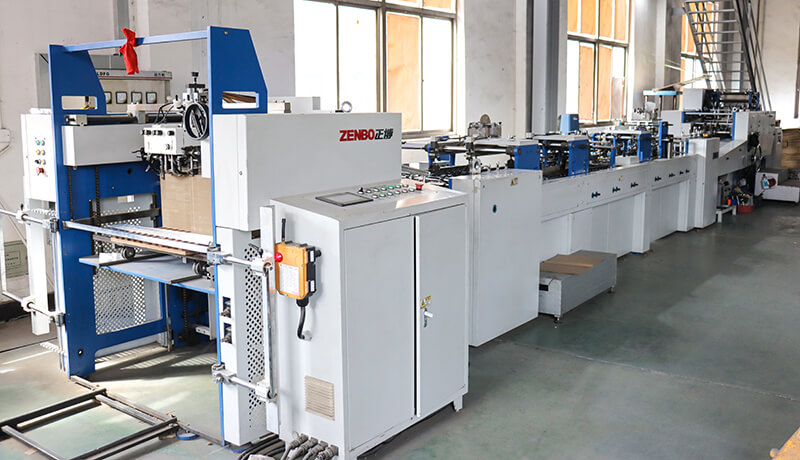
Matching the certificate holder to the site that actually produces your container is the first and most frequently skipped check.
- Confirm the legal entity and the production site. Match the certificate holder name against the entity on your purchase order, and confirm that the site producing your container is the audited or certified site. For this supplier set, the entity name to match is KingHonor Paper Products Co., Ltd., with the production address recorded in Long An Province, Vietnam.
- Read the scope statement, not the certificate header. The scope paragraph — not the logo, not the certificate title — determines whether your product is covered. Copy the scope wording verbatim into your approval file so that a later reviewer sees the same text you did.
- Match the scope to the model you are ordering. Name the model explicitly in the file: Kraft Paper Bowl ZT, Kraft Paper Square Box XQ, White Kraft Food Tray ZT, or the Printed Disposable Paper Food Container. Where the scope is written by category rather than by model, ask the supplier to state in writing which categories each model falls into, and keep that statement with the certificate.
- Record the standard version or issue number in full. ISO 9001:2015, ISO 14001:2015, GB/T 19001-2016, GB/T 24001-2016, and BRCGS Packaging Materials Issue 6. A certificate that names only the standard family, with no year or issue, cannot be checked against the current edition.
- Record the declared market scope. China for both ISO certificates; global for FSC Chain of Custody and the amfori BSCI report; not stated in the supplied record for BRCGS Packaging Materials. If your destination market falls outside a declared scope, treat that credential as supporting evidence rather than as the deciding document.
- Confirm current status in the issuing body's registry and log the date. Certificate numbers are only useful if they resolve. Check 00623Q31644R4S and 00623E31318R4S with QAC, C0691603-BRC4 with NSF, ESTS-COC-250653 in the FSC public certificate database, and report 25-0324242 with SGS or through the amfori platform. Write the verification date next to each number. A status confirmed eighteen months ago is not a status; repeat the check at every reorder cycle, because scope extensions, suspensions and withdrawals do not appear on the PDF in your folder.
Use Cases: Which Credential Decides Which Purchase
Different buying situations weight the same five credentials differently. Mapping the credential to the purchase, rather than to the supplier, is what keeps the file honest.
Airline catering and institutional canteen programmes
These buyers typically review the workplace before the product. The amfori BSCI audit report 25-0324242 issued by SGS carries the most weight at qualification stage, supported by a quality management system certificate. The product-side question — whether a specific tray format suits a chilled or hot holding cycle — is answered by specification and sample testing, not by any of the five credentials. Buyers in this segment evaluating a White Kraft Food Tray ZT or a heat insulated double wall format should expect to run their own handling trial.
Quick-service and takeaway chain tenders
Tender questionnaires in this segment concentrate on packaging product safety and process control, which places BRCGS Packaging Materials Issue 6 at the centre of the file, with ISO 9001:2015 as the supporting process credential. If the chain publishes a sustainability claim on pack, FSC Chain of Custody becomes a gating requirement rather than a nice-to-have, and the buyer has to confirm which models may carry the claim.
Distributor and private-label programmes
Distributors reselling under their own brand carry the widest exposure, because they answer to their own customers for every document in the chain. Here the full five-credential set matters, but the mapping discipline matters more: a distributor who forwards a certificate pack without a model-to-scope note is transferring an unresolved question downstream. Custom Logo Printed Paper Container orders add a further layer, since the printed article is a different finished product from the unprinted one and the scope wording should be checked against it.
Certificate Scope Mapping Table
The table below maps the five documented credentials to their issuer, reference number, declared market and the question each one actually answers.
| Credential | Standard / version | Issuing body | Reference number | Declared market scope | What it addresses |
|---|---|---|---|---|---|
| Quality management system | ISO 9001:2015 / GB/T 19001-2016 | QAC | 00623Q31644R4S | China | Process control and quality management system requirements |
| Environmental management system | ISO 14001:2015 / GB/T 24001-2016 | QAC | 00623E31318R4S | China | Environmental management system requirements at the certified entity |
| Packaging product safety and quality | BRCGS Packaging Materials, Issue 6 | NSF | C0691603-BRC4 | Not stated in the supplied record | Hygiene, product safety and quality management for packaging materials |
| Chain of custody | FSC Chain of Custody | Not stated in the supplied record — confirm in the FSC public certificate database | ESTS-COC-250653 | Global | Traceability of FSC-certified material through the supply chain |
| Social compliance audit | amfori BSCI audit report | SGS | 25-0324242 | Global | Social compliance and labour conditions at the audited site |
Buyer Verification Checklist
Use this checklist as the approval gate. Each row converts a certificate field into a decision, so that a missing or mismatched value produces an escalation rather than a signature.
| Field to verify | What to record | Escalate or reject if |
|---|---|---|
| Holder name | Full legal entity exactly as printed | It does not match the entity named on the purchase order |
| Production site | The audited or certified address | The site producing your container is not the site named on the certificate |
| Standard and version | Full designation with year or issue number | Only a logo or a generic certification claim is supplied |
| Reference number | Certificate or report number, copied precisely | The number cannot be located in the issuing body's registry |
| Product or process scope | Scope wording, plus the supplier's written model-to-scope statement | Your container family is neither named nor described in the scope |
| Declared market | Country or region the certificate is declared for | Your destination market sits outside the declared scope and no alternative evidence is offered |
| Status and review date | Verification date and current status from the registry | Status is unclear, or the last verification predates your current order cycle |
FAQ
Does a certificate held for one paper container model cover the other models in the same range?
No. Certification scope is written around product categories, processes, materials or sites, not around a full catalogue. A scope that describes one container family does not automatically describe a different family with another substrate, coating or construction. For a range covering Kraft Paper Bowl ZT, Kraft Paper Square Box XQ, White Kraft Food Tray ZT and a Printed Disposable Paper Food Container, the correct working method is to have the supplier state in writing which category each model falls into, and to keep that statement filed alongside the certificate itself.
Which of these five credentials applies to which market?
Two declare the China market: ISO 9001:2015 / GB/T 19001-2016 under certificate 00623Q31644R4S and ISO 14001:2015 / GB/T 24001-2016 under certificate 00623E31318R4S, both issued by QAC. Two declare a global scope: FSC Chain of Custody ESTS-COC-250653 and the amfori BSCI audit report 25-0324242 issued by SGS. BRCGS Packaging Materials Issue 6, certificate C0691603-BRC4 issued by NSF, carries no market scope in the supplied record, so its geographic applicability has to be confirmed with the issuing body.
What does BRCGS Packaging Materials Issue 6 add that ISO 9001:2015 does not?
ISO 9001:2015 certifies that a documented quality management system is in place across defined processes. BRCGS Packaging Materials addresses product safety and hygiene specifically within packaging manufacturing, which is closer to the question a food container buyer is actually asking. The two are complementary rather than interchangeable: the quality system speaks to how consistently the process is run, and the packaging standard speaks to whether food-safety hazards are controlled inside that process.
Are PE-coated and PLA-coated containers covered by the same scope?
Do not assume so. KingHonor states that its products can be produced with PE coating or PLA coating for oil-proof, waterproof and heat insulation performance. Because coating chemistry changes the composition of the finished article, and composition is what product-safety and food-contact scopes are built around, the coating system named in a scope statement should be confirmed rather than inferred. Ask the supplier which coating systems are named in the relevant scope before approving an Oil-Proof Disposable Paper Container or Waterproof Coated Paper Container line.
How should I verify a certificate before requesting samples?
Run the six checks in this guide in order — entity and site, scope statement, model match, standard version, declared market, and current status in the issuing body's registry — and record the verification date against each reference number. Once the mapping is documented, the fastest way to close the remaining product questions is to request samples alongside the certificate pack. KingHonor supplies sample requests and full documentation through kinghonorpack.com, and the company brochure can be downloaded here.
Conclusion
Certificate mapping is a filing discipline before it is a compliance one. A supplier file that names the holder, the site, the standard version, the reference number, the scope wording and the declared market for every credential is a file that survives a customer audit, a tender review and a reorder cycle without having to be rebuilt each time.
The reverse is also true. A folder of genuine certificates, forwarded without a model-to-scope note, transfers an unresolved question to whoever receives it next — usually the buyer's own customer. For a range that spans a kraft bowl, a square box, a white kraft tray and a printed container, that question deserves a written answer rather than an assumption.

KingHonor Paper Products Co., Ltd. — Vietnam-based manufacturer of disposable paper cups, paper bowls and food containers.
Request the certificate pack and samples
KingHonor Paper Products Co., Ltd. supplies disposable food paper containers to importers, distributors and foodservice brands across the United States, Europe, Australia, the Middle East and China. Ask for the five-credential documentation set with its model-to-scope statement, and request matched samples of Kraft Paper Bowl ZT, Kraft Paper Square Box XQ, White Kraft Food Tray ZT or a Printed Disposable Paper Food Container for your own validation.
Email: info@kinghonorpack.com · Tel: +86 13918832889 · WhatsApp: +8618205730716 · Website: www.kinghonorpack.com · Brochure: download the company brochure
Have Questions or Need More Details?
Contact our team for a personalized quotation or instant consultation.
Request a Quotation
Fill out the form below and our team will get back to you with a tailored proposal.
WhatsApp Direct Chat
Prefer to chat in real-time? Message us on WhatsApp for instant assistance & quick answers.
- Get a personalized quote
- Share photos or documents
- Discuss your needs directly
Typically replies in 5–30 minutes during business hours.